
Founders Friday – Keith Tan
This Friday, we are excited to feature Keith Tan, CEO and Co-founder of Wonder.
About Keith
The entrepreneurial spirit has been strong in Keith since he was 14. With just $72, he started his first business, selling apparel printing services to his classmates. From there, he went on to launch several startups, particularly in the non-profit sector. In 2015, Keith capitalised on a burgeoning global tech industry by launching Wonder, a global HR and technology services firm that helps companies from all industries access the world’s talents and markets.
About Wonder
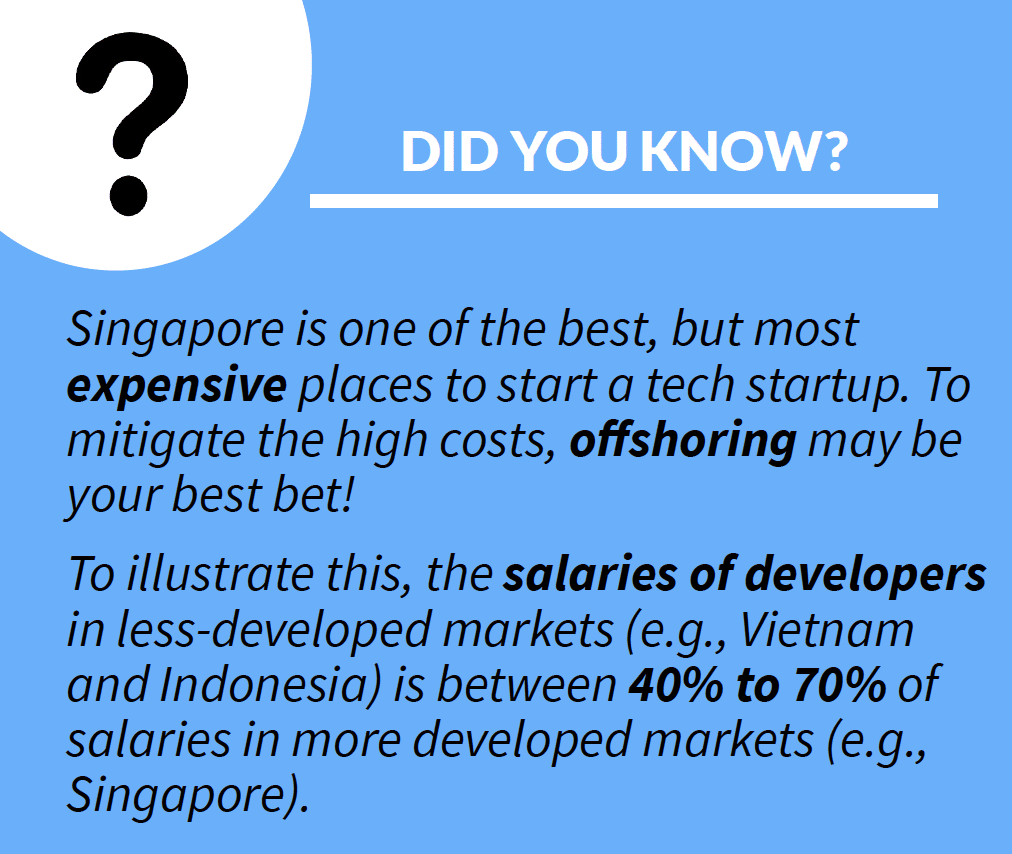
Wonder helps companies to build and manage their distributed (i.e., offshore) teams of business and tech talents. Today, they manage over 350 talents across Indonesia, Vietnam, Philippines, Sri Lanka, Ukraine and Bhutan.
What has been the most satisfying aspect of entrepreneurship for you and why?
K: First, freedom. To quote the lyrics from a song in Disney’s ‘Aladdin’, “no one to tell you no, or where to go”. I don’t have a fixed place or time to work. I do whatever my mood dictates. I can even take an afternoon nap if I wish – a priceless luxury of entrepreneurship.
Secondly, travelling. In my work, I have had some great experiences criss-crossing the globe to hire and build teams. I get to see the differences as well as similarities in cultures, languages and histories of various countries. As a political science major, no other job out there provides such opportunities.
How did you acquire your first customers?
K: Called, emailed, begged, worked for free basically.
What was the biggest challenge you faced in scaling your sales and why?
K: My challenge is in getting talent. If I could find more talent, we would grow!
Drawing on your personal experiences, what traits do you think are essential for startup founders and why?
K: I believe that there are 2 types of people in the world – killers and non-killers. I think that startup founders must have a certain killer instinct and ruthlessness in order to succeed.
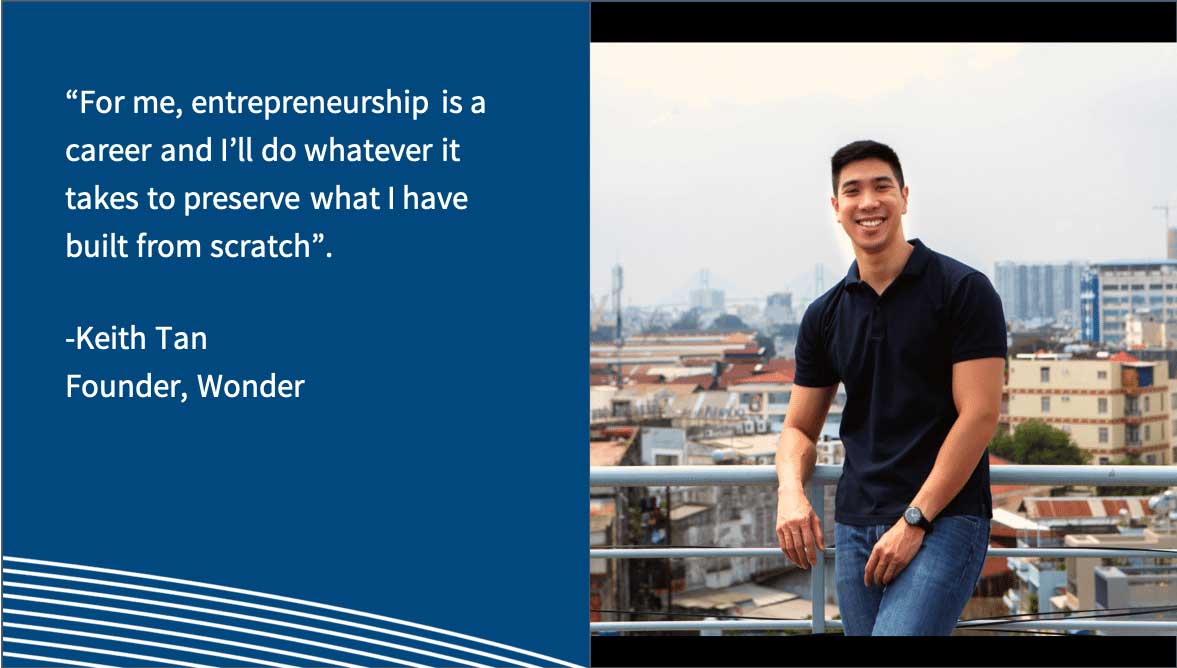
Many entrepreneurs I see today are “wantrapreneurs”, as Mark Cuban would call them. They are just trying out things that they think is cool and if it doesn’t work out, they can always go back to a corporate job. For me, entrepreneurship is a career and I’ll do whatever it takes to preserve whatever I’ve built from scratch.
What aspects were most important when you were first building your team and why?
K: We hired for “Candidate Right Now” vs. “Candidate Right”. In the first 3 years of Wonder, we prized speed over efficiency. Our goal was to “get big fast”, which meant that we accepted, and even tolerated, bad management. So, we hired for “Candidate Right Now” instead of holding out for the best fit each time.
The corollary of hiring “Candidate Right Now” is firing quickly when the candidate does not perform or needs to be replaced. This can descend into a negative spiral. Firing creates fear and uncertainty, morale goes down and people flee.
Today, our mandate is different – we keep to hiring “Candidate Right”.
On hindsight, if you to build your team again, is there anything you would do differently?
K: Nothing. If we had moved any slower, we would not have reached the point we are at now.
What sets you apart from other startups?
K: We currently have a large geographic breadth, and we are consciously growing it. As such, we can help our clients access the world’s talents and markets far more easily and comprehensively than our competition. Through us, our customers can build a tech team in Vietnam, support customers in Indonesia, and hire a sales representative in Europe.
Any other words of wisdom that you would like to share?
K: Gain a deep understanding of accounting and finance. At the end of the day, it always comes back to the numbers. Milton Friedman said it best – “the business of business is business”.
Stay tuned for next week's episode of Founders Friday
TalentKraft offers solutions specially catered to your startup’s HR and scaling challenges.
Like this article?
Want to get insights on your team's culture?
Click on this button to find out how you can do that with TalentKraft’s TeamSight.

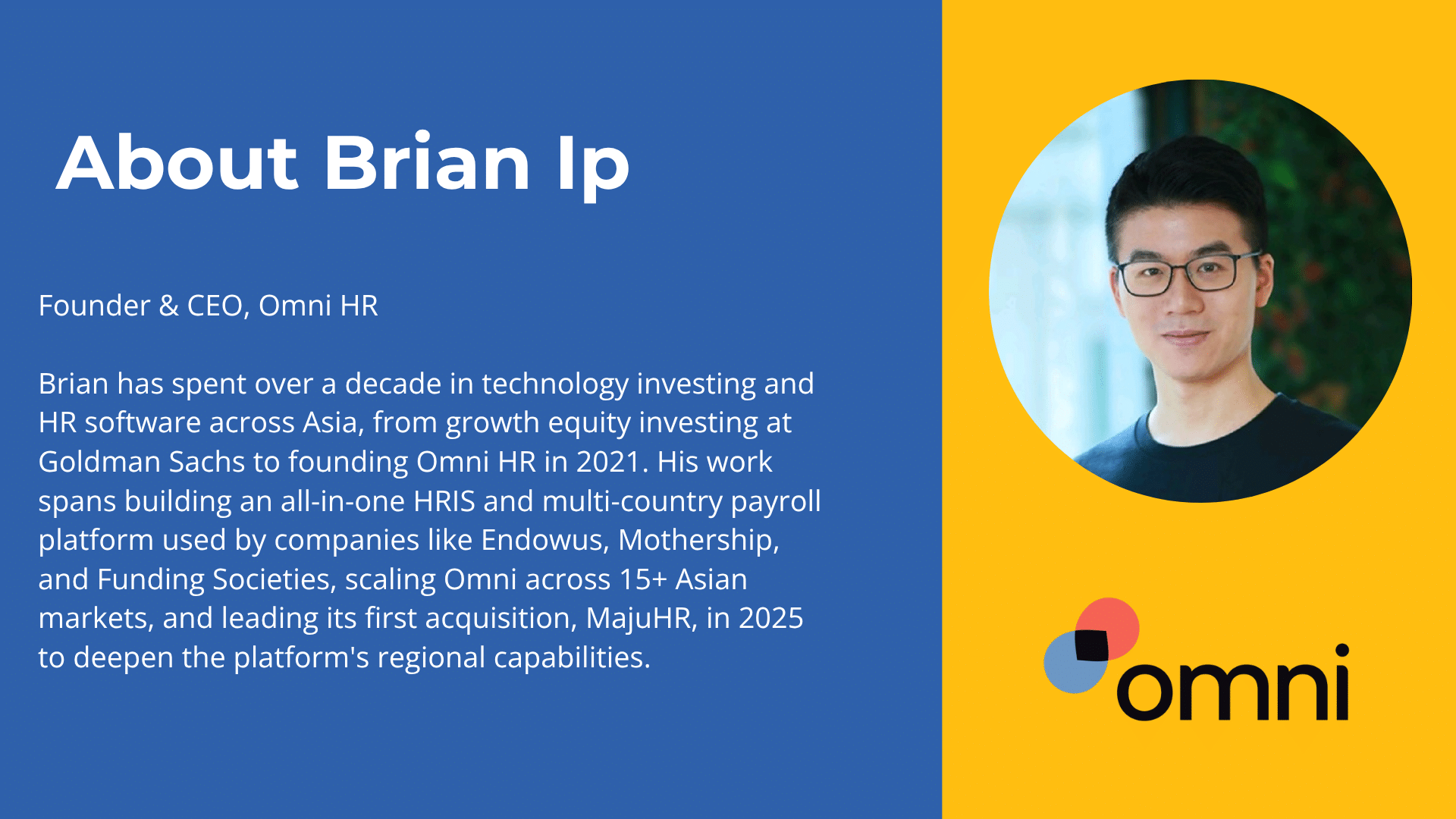
Getting WDG JR+ Right: Brian Ip on building performance management that scales with you
Getting WDG JR+ Right: Brian Ip on building performance management that scales with you As part of our new series, Getting WDG JR+ Right, we speak
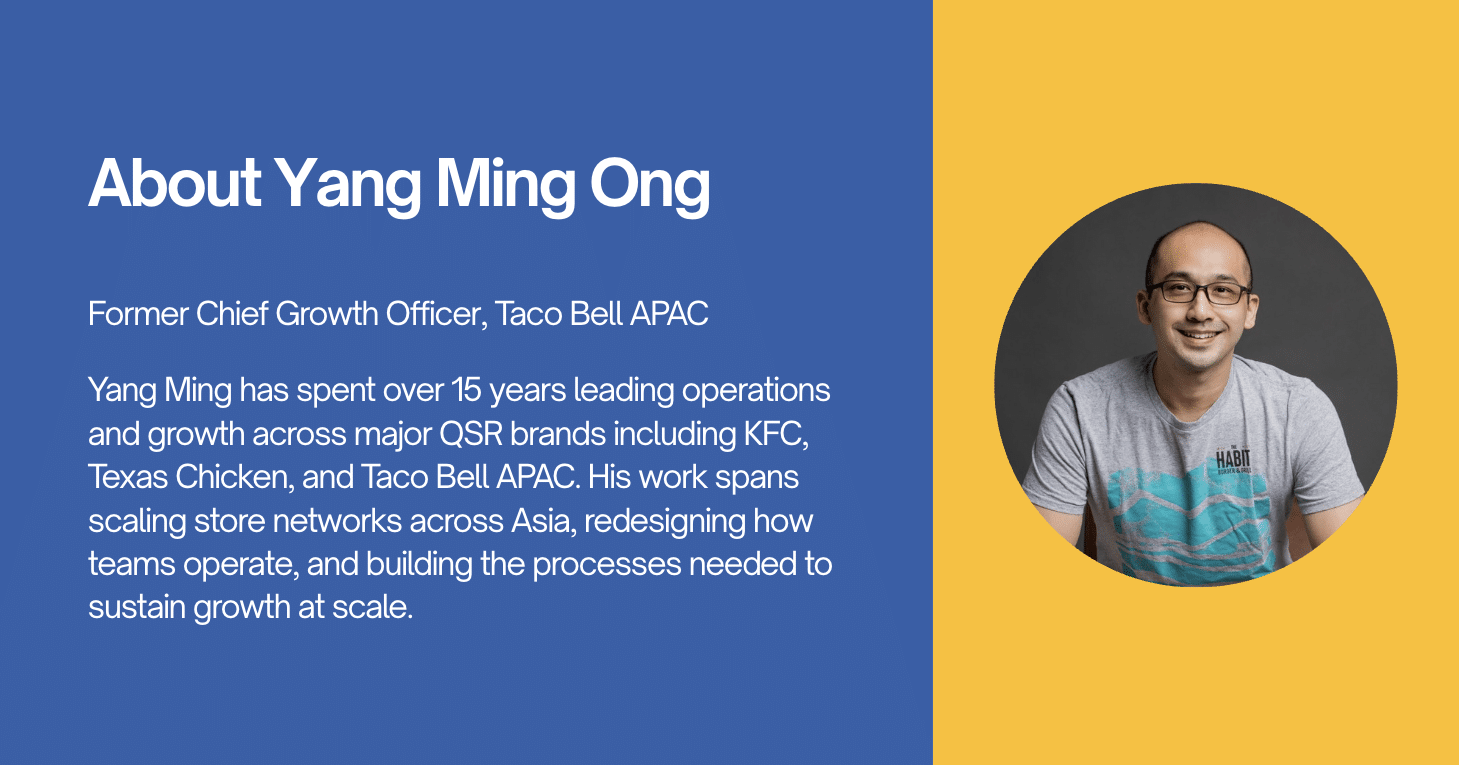
Getting WDG JR+ Right: Yang Ming Ong on building restaurant operations that scale
Getting WDG JR+ Right: Yang Ming Ong on building restaurant operations that scale As part of our new series, Getting WDG JR+ Right, we speak
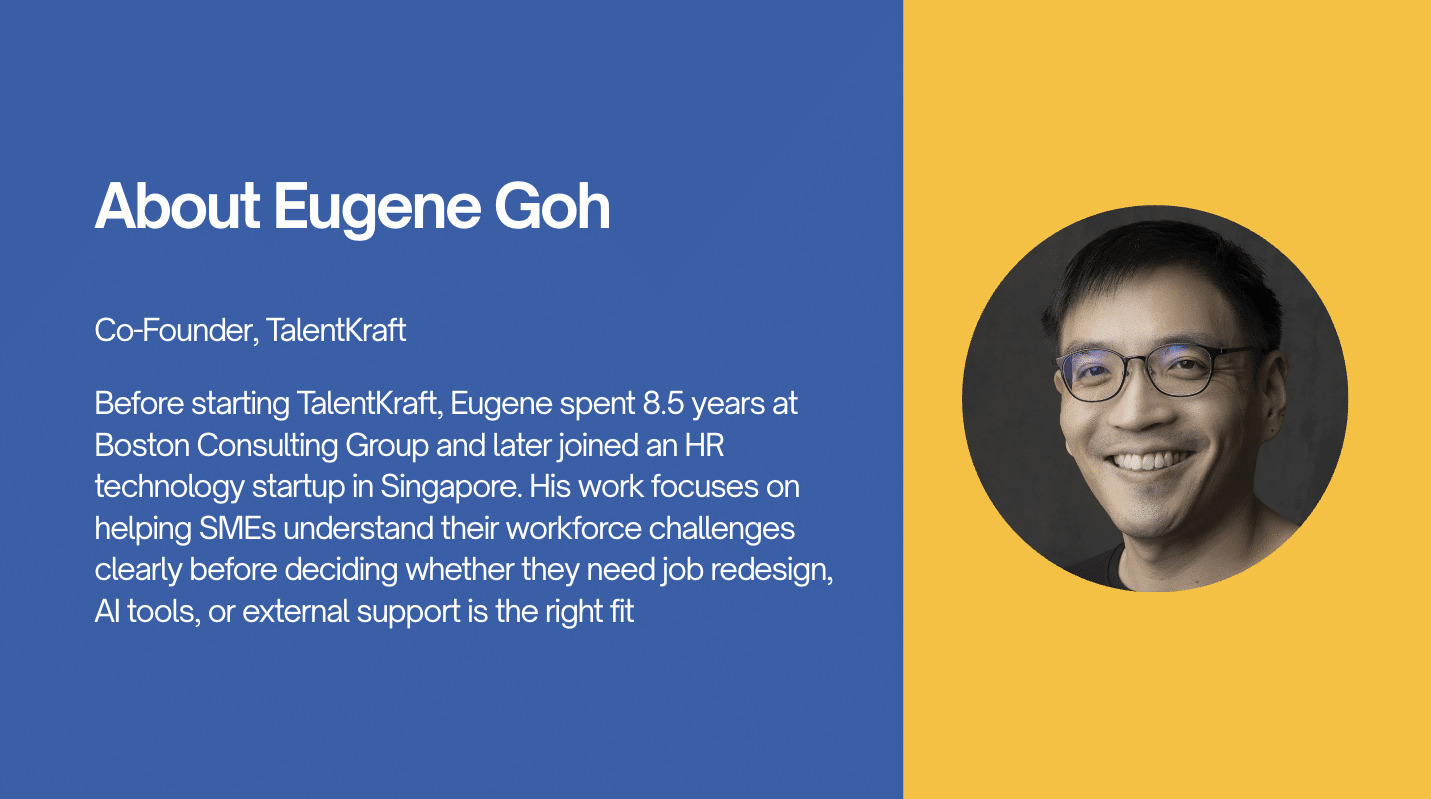
Getting WDG JR+ Right: Eugene Goh on the right way to approach workforce transformation
Getting WDG JR+ Right: Eugene Goh on the right way to approach workforce transformation As part of our new series, Getting WDG JR+ Right, we
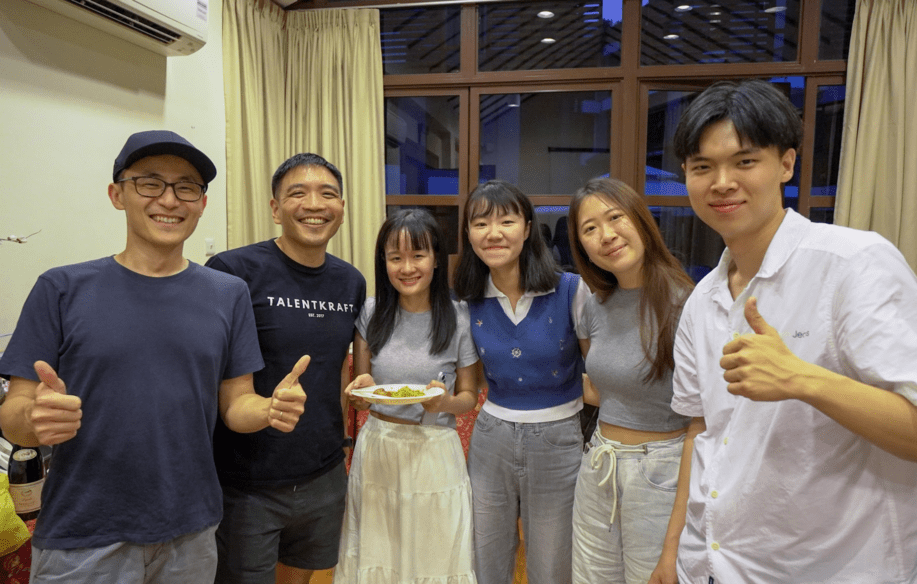
Discovering ourselves as Gen Zs
Discovering ourselves as Gen Zs, we face unique challenges in aligning our careers with our passions. TalentKraft’s internship provided invaluable experiences, helping us define problems, explore options, and evaluate career paths. Through workshops, personality profiling, and real-world projects, we gained insights into various industries and honed our problem-solving skills. This journey has been crucial in shaping our professional growth and career decisions.
Top 3 HR challenges faced by non-profits and how to tackle them
According to LinkedIn, firms with poor employer brands could be paying as much as US$7.6 million. What exactly is an employer brand and what does it entail? And how can you improve your employer brand today to appeal to top talents?

5 ways to improve your employer brand
According to LinkedIn, firms with poor employer brands could be paying as much as US$7.6 million. What exactly is an employer brand and what does it entail? And how can you improve your employer brand today to appeal to top talents?
