
Founders Friday – Zal Dastur
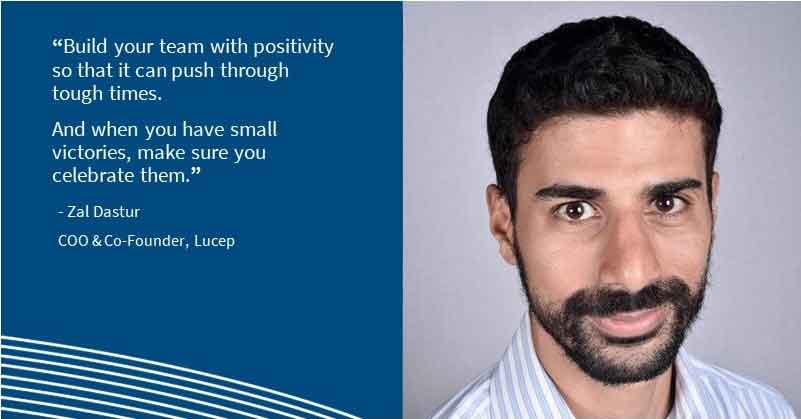
This Friday, we are excited to feature Zal, COO & co-founder of Lucep.
About Zal
With a sign in his office that reads “Persistence pays”, Zal is a typical serial entrepreneur. Since his earlier years in college, Zal would sell anything that he could get his hands on (magazines, sports gear, you name it. He even sold electricity!). His life is defined by constant hustle.
After a stint at a renowned public relations consultancy in Singapore, Zal took the path less travelled. He moved to Bangalore to work on VenueMirror, a start-up that generates leads for destination management companies for large scale events such as conferences, weddings, and meetings. Zal led the sales and marketing strategy with tremendous success, growing VenueMirror’s portfolio of clients from a few local hotels to more than 2000 hotels around the globe.
Zal returned to Singapore after selling his shares in VenueMirror and continue to gain experience in business development and account management. In 2013, Zal co-founded Lucep, where he is currently the COO in charge of what he does best – sales and growth.
Zal graduated from Monash University in 2007 with a Masters of International Business and Marketing.
About Lucep
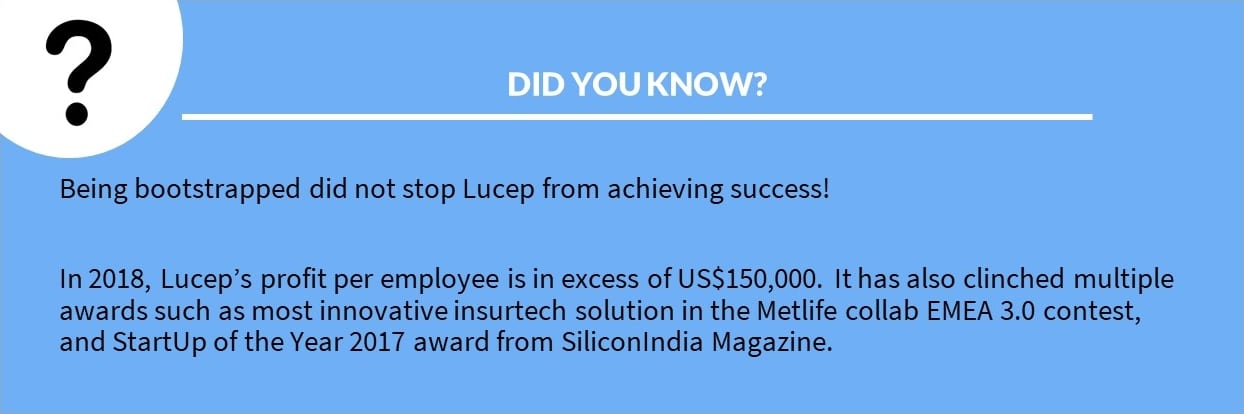
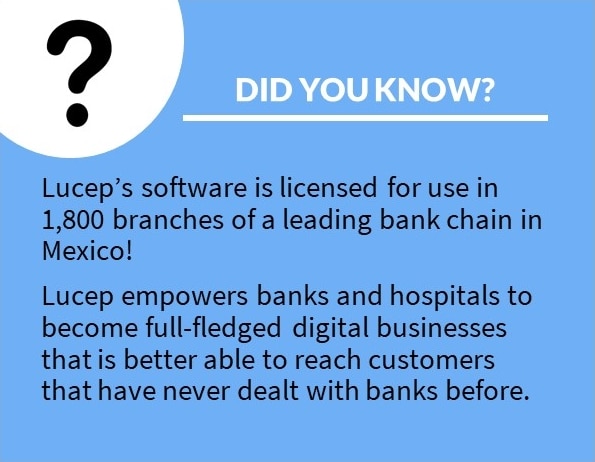
Lucep is an omnichannel customer engagement solution. Lucep builds and implements enterprise-level customer management products and solutions that increase ROI from their digital marketing channels and enhances the sales experience for their digital prospects.
For SMBs, Lucep offers a sales enablement platform to connect leads from your digital channels directly to the sales team in under 60 seconds.
In one sentence, how would you summarise your journey so far
What has been the most satisfying aspect of entrepreneurship for you?
What do you feel is the essential quality a startup founder must have?
What advice would you have for someone contemplating leaving the corporate world to be an entrepreneur?
Z: Make sure you have the right team. People spend lots of time agonizing over the product, but your team is the most important part of a business. Most investors say they would invest in a company that has an A grade team and a B grade product over an A grade product and B grade team.
How did you acquire your first customers?
What was the biggest challenge you faced in scaling your sales?
What aspects were the most important when building your team?
If you had to build your team again, what would you do differently?
What are some tips you have for investor pitching?
Z: Speak to as many investors as you can, listen to what they have to say, come back and show them how you have listened and acted on it. Also a free bonus tip. You are interviewing them as much as they are interviewing you. You have to believe that you can work with this person for the entire duration of your business because that is how long they are looking at being involved. Once someone enters your cap table it is very difficult to remove. So make sure that while you are in the rush to get their money, you are also sure this is someone you want to work with in the long term.
According to your investors, what sets you apart from other startups?
Z: We do not have investors, probably that sets us apart from others.
Any other words of wisdom that you would like to share?
Z: Hire for attitude not aptitude. That is the best piece of advice I have ever received. It takes a certain type of person to work at a startup someone who is prepared to do what it takes to get the job done. In our company if we hear the phrase “that’s not my job” it is usually a sign that they are on the way out of the company.
Stay tuned for next week's episode of Founders Friday
TalentKraft offers solutions specially catered to your startup’s HR and scaling challenges.
Like this article?
Want to get insights on your team's culture?
Click on this button to find out how you can do that with TalentKraft’s TeamSight.

Getting WDG JR+ Right: Brian Ip on building performance management that scales with you
Getting WDG JR+ Right: Brian Ip on building performance management that scales with you As part of our new series, Getting WDG JR+ Right, we speak
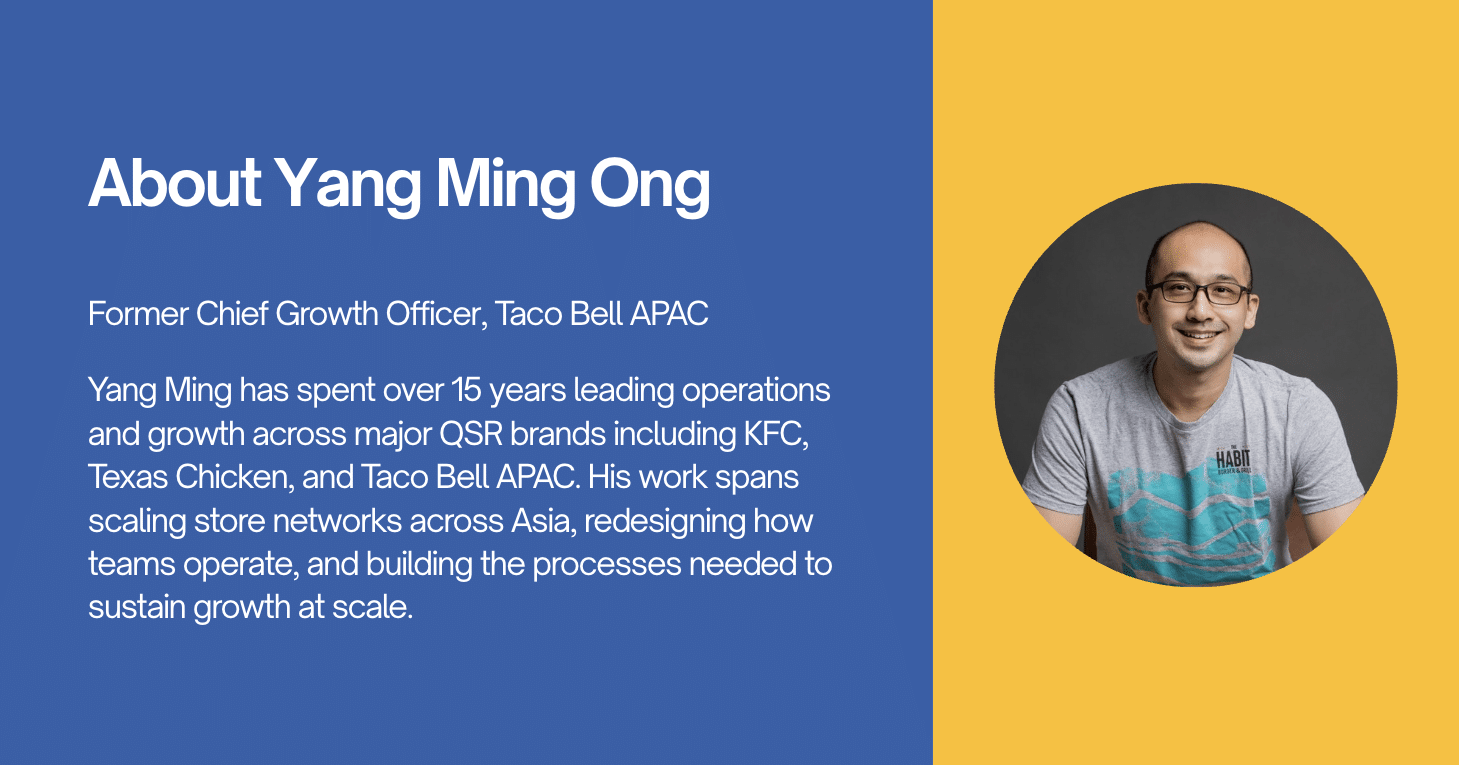
Getting WDG JR+ Right: Yang Ming Ong on building restaurant operations that scale
Getting WDG JR+ Right: Yang Ming Ong on building restaurant operations that scale As part of our new series, Getting WDG JR+ Right, we speak
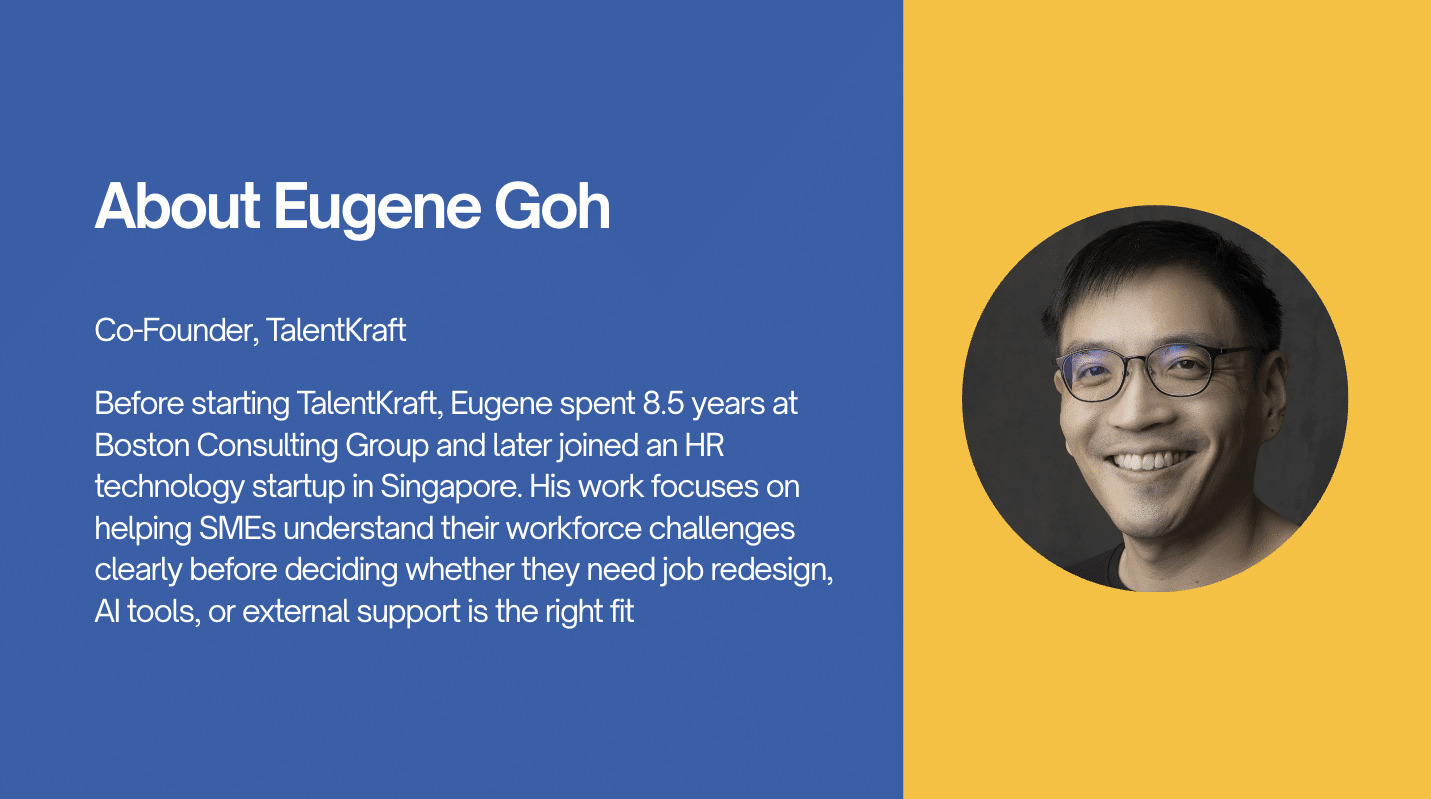
Getting WDG JR+ Right: Eugene Goh on the right way to approach workforce transformation
Getting WDG JR+ Right: Eugene Goh on the right way to approach workforce transformation As part of our new series, Getting WDG JR+ Right, we
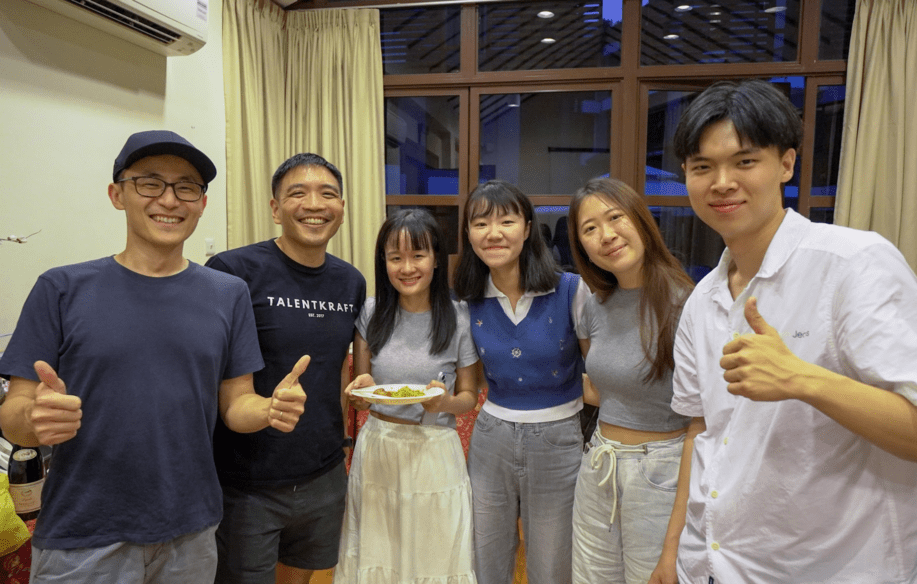
Discovering ourselves as Gen Zs
Discovering ourselves as Gen Zs, we face unique challenges in aligning our careers with our passions. TalentKraft’s internship provided invaluable experiences, helping us define problems, explore options, and evaluate career paths. Through workshops, personality profiling, and real-world projects, we gained insights into various industries and honed our problem-solving skills. This journey has been crucial in shaping our professional growth and career decisions.

Top 3 HR challenges faced by non-profits and how to tackle them
According to LinkedIn, firms with poor employer brands could be paying as much as US$7.6 million. What exactly is an employer brand and what does it entail? And how can you improve your employer brand today to appeal to top talents?

5 ways to improve your employer brand
According to LinkedIn, firms with poor employer brands could be paying as much as US$7.6 million. What exactly is an employer brand and what does it entail? And how can you improve your employer brand today to appeal to top talents?
