


How can you ensure you have the right candidate for the job?
The measures and regulations implemented worldwide to combat the spread of the pandemic inadvertently inspired a new era of technological innovation within recruitment. During the pandemic, the use of technology in recruitment processes increased, and many expect technology to continue to be heavily utilised in the future. However, sceptics doubt that technology can replace all the human aspects of the recruitment process, such as finding the right candidate for the job. Some become hesitant when they are forced to conduct interviews without any face-to-face contact, as they believe technology can never substitute that familiar ‘gut feeling’ developed through a hand-shake and a physical sit down with a candidate. How can you ensure you have hired the right candidate for the job, without meeting them?
If this sounds familiar, you might be missing out on some of the most important innovations of the 21st century. Screening tests, such as for example TeamSight, are incredibly useful in terms of providing analytics and insights helping you determine which candidate is the right candidate for the job. Moreover, such tests are a huge resource to every firm, as they help your interviewers save precious time, energy and capital.
This article will introduce factors you need to consider to ensure you have selected the right candidate for the job and your firm, from a company perspective. While drawing on case examples, we will share and discuss various insights about what attributes you should look for in a candidate, and how you can assess candidates without ever having to meet them in person.
We have seen many examples of the right type candidates joining startups and SMEs successfully, but we have also seen multiple hiring failures. In the worst cases, candidates terminated their contracts even before the probation period has ended. More often than not, the reason for backing out was tied to contrasting mindsets, and misaligned expectations on the part of the candidate.
What does your ideal candidate look like?
You have to be deliberate about determining what your company needs in a future candidate. If you have all your ducks in order, it becomes simpler to design a perfect contactless hiring strategy suited for you and your company needs.
We recommend implementing these four steps to ensure you get the right candidate for the job.
Define your company culture.
Boston Consulting Group defines company culture as “the guidelines – the tacit code of conduct – that steer individuals to act appropriately and make choices that advance the organisation’s goals and strategy”.
Are you clear on your company culture? If not, you have to take a step back and think it through. While some companies do not believe in explicitly stating their company culture, believing instead that it is something intangible, we would argue that it is important to have a clear and visible statement of your company culture. Some elements of the company culture may be evident, such as mission, values and goals, while other elements might not be as transparent, such as expectations, ethics and other ‘dos’s and dont’s’.
Identify the ideal candidate profile you want to hire.
The company culture represents your company persona, and knowing the company culture will get you a long way to recruiting a candidate that fits your firm. All hiring managers should know what the company looks for in a new hire. If you are outsourcing to an external recruiting agency, it is vital that you share as much information as possible about the company and the position to your in-house recruiting staff or external recruiting agency. The focus here is on aspirations and motivations, rather than just skill sets.
Insight: SaaS company – perils of not aligning expectations
The business in question had recently received private funding. In an effort to build out their back office team, the company set a budget to recruit a new finance team. Good candidates, they thought, only came from large brands, had done certain tasks before, and were familiar with best practices. The company hired a financial modeler from one of the Big 4, who did not make it through probation. The candidate missed corporate comforts, existing blueprints to do the job, and a regimented team structure to plug in to. The candidate was being employed to support the business’s growth, but his mindset was primarily about himself, his progression, stability and enjoyment, rather than the project at hand.
Write a job description that will attract the right candidates
A well-executed recruitment process will require much preparation. Once you have clearly outlined your company goals and culture, it is important that you clearly describe the role in the job posting. Confer with your specialists, either outsourced or in-house, and develop a clear and shared understanding of the new role, and what is needed from a potential candidate. At the same time, you need to understand what your target candidates are looking for, and what you need to do to make yourself attractive to them. Top talent always has choices, and you need to make yourself competitive.
Insight: Leathams london – being clear on what you want and why
A medium sized enterprise, Leathams is an FMCG company based in West London. Given the company’s recent success, they turned to bolstering their finance team in order to sustain a growth in sales. Apart from being a newly qualified accountant, the candidates they wanted to hire must come from a team with at least 7 people, rather than from another start up. As the Group’s CFO explained, in order to improve the sophistication of their back office, they wanted to employ people who had experience working in a medium-sized team. The focus was on hiring people who would thrive in the business environment Leathams wanted to build.
Screen for the key dimensions necessary to succeed in the role.
Then, you have to decide what you want to assess. What is most important for the position you are recruiting for? Depending on company culture and dimensions, the screening tools may vary. There are different tools that can help you determine company and role fit, for instance skill tests and personality tests. When testing for cultural fit, for example, you can use a culture assessment tool such as TeamSight. Teamsight is a tool that gives you a better understanding of the candidates, their motivations and what matters to them on the job.
Each hiring manager needs to be conscious about candidate expectations and candidates’ industry backgrounds. It can be difficult for individuals who have worked with large companies to work for smaller companies, as they will have widely different mindsets and ways of working. Therefore, we recommend using the increasing array of screening tools available to give you a clear perspective of a candidate’s motivations, ambitions and expectations. If you don’t have the benefit of such insights, you might find yourself needing to re-recruit for the position, which will cost the company both in terms of capital and time.
Want to build a strong Digital Talent Strategy? Get in touch with us today!
Want to get insights on your team's culture?
Click on this button to find out how you can do that with TalentKraft’s TeamSight.

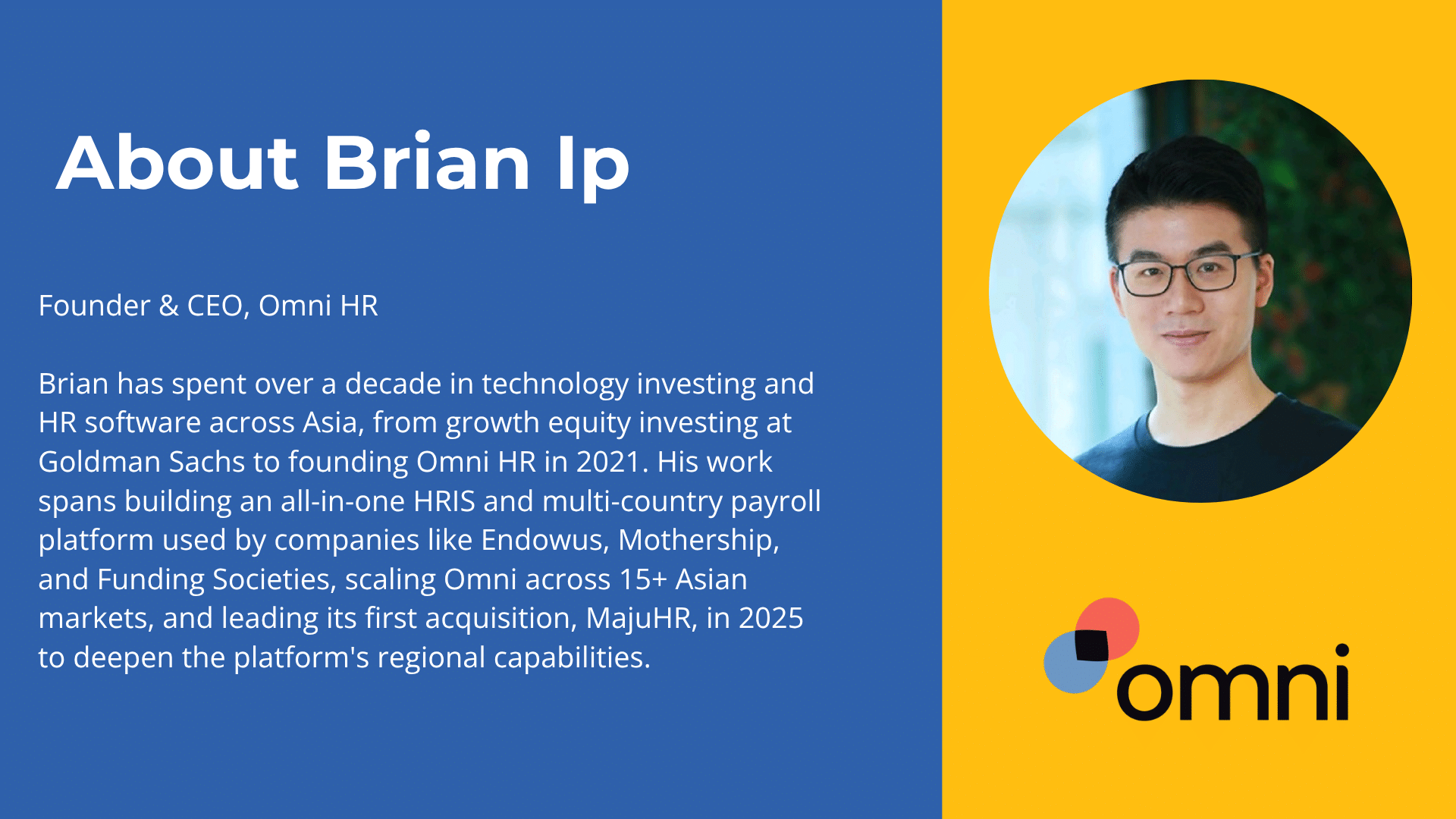
Getting WDG JR+ Right: Brian Ip on building performance management that scales with you
Getting WDG JR+ Right: Brian Ip on building performance management that scales with you As part of our new series, Getting WDG JR+ Right, we speak
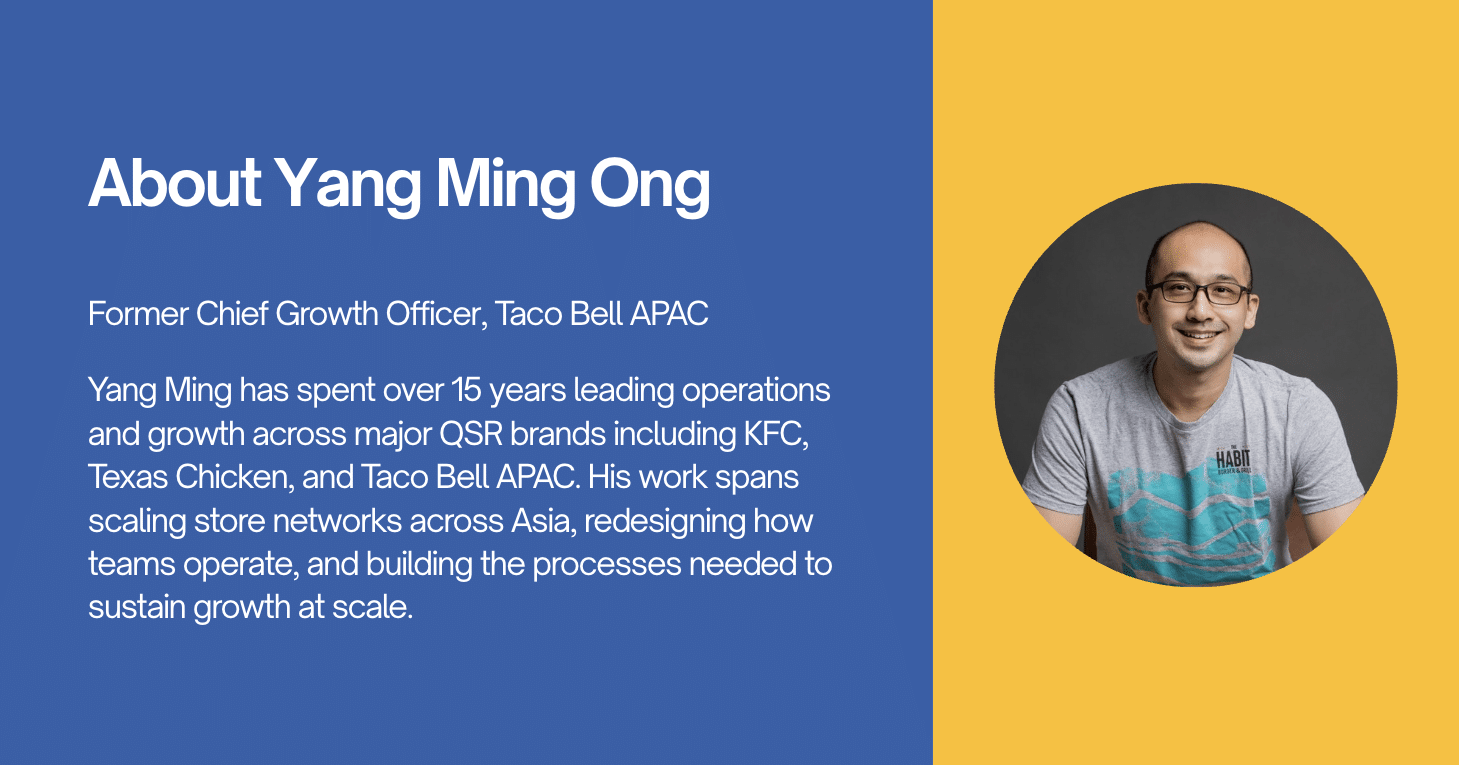
Getting WDG JR+ Right: Yang Ming Ong on building restaurant operations that scale
Getting WDG JR+ Right: Yang Ming Ong on building restaurant operations that scale As part of our new series, Getting WDG JR+ Right, we speak
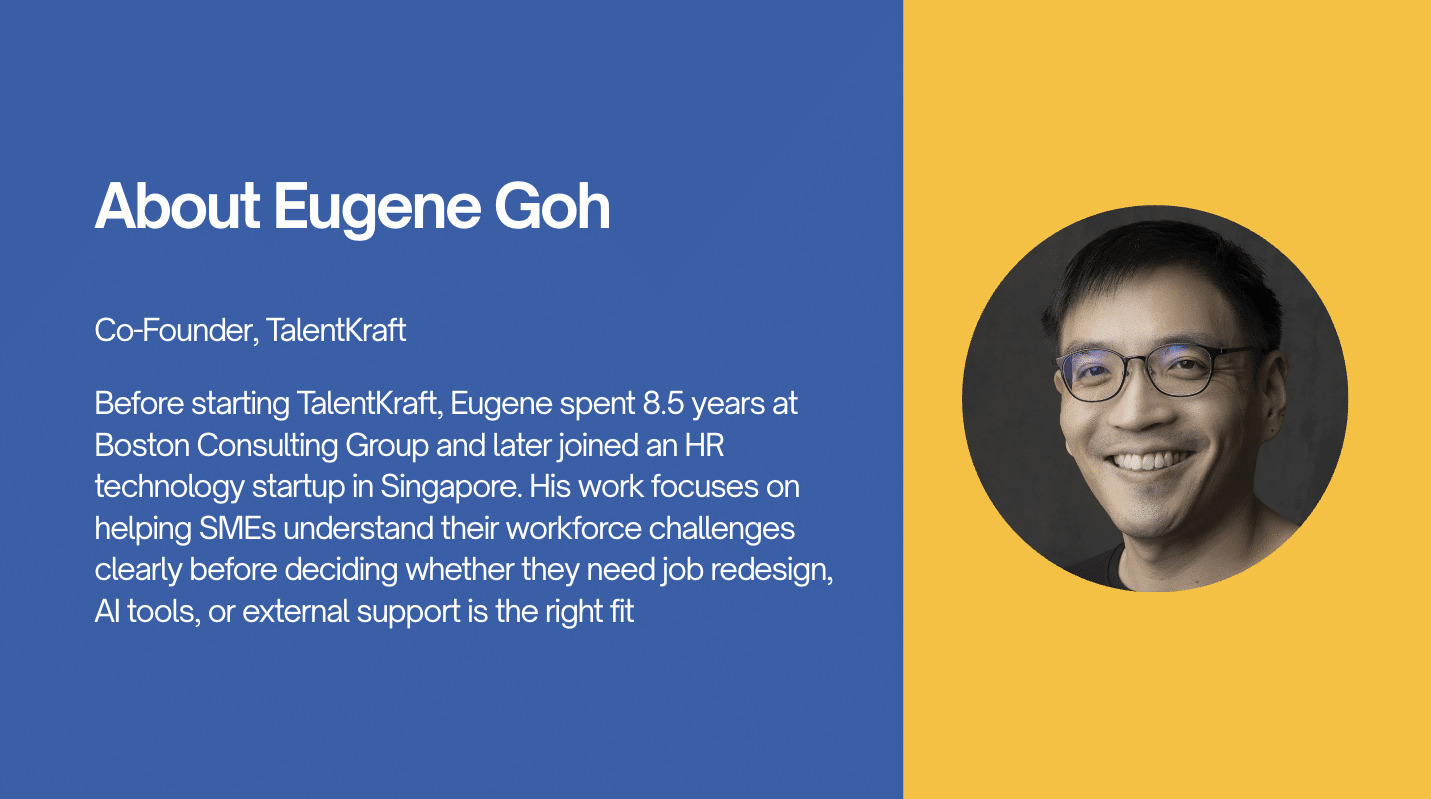
Getting WDG JR+ Right: Eugene Goh on the right way to approach workforce transformation
Getting WDG JR+ Right: Eugene Goh on the right way to approach workforce transformation As part of our new series, Getting WDG JR+ Right, we

Discovering ourselves as Gen Zs
Discovering ourselves as Gen Zs, we face unique challenges in aligning our careers with our passions. TalentKraft’s internship provided invaluable experiences, helping us define problems, explore options, and evaluate career paths. Through workshops, personality profiling, and real-world projects, we gained insights into various industries and honed our problem-solving skills. This journey has been crucial in shaping our professional growth and career decisions.

Top 3 HR challenges faced by non-profits and how to tackle them
According to LinkedIn, firms with poor employer brands could be paying as much as US$7.6 million. What exactly is an employer brand and what does it entail? And how can you improve your employer brand today to appeal to top talents?

5 ways to improve your employer brand
According to LinkedIn, firms with poor employer brands could be paying as much as US$7.6 million. What exactly is an employer brand and what does it entail? And how can you improve your employer brand today to appeal to top talents?
